Yes in Morse Code: Complete Guide to Sound, Dots, Translation & Practical Use
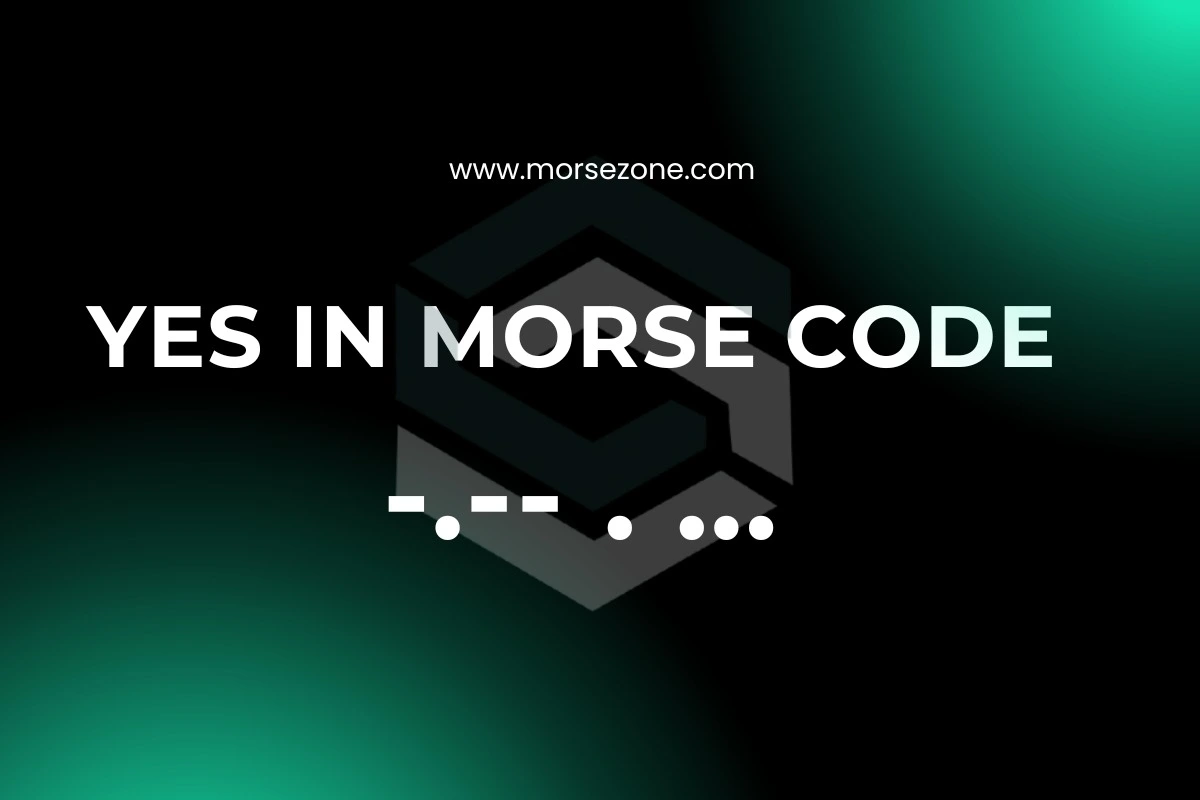
Communication has evolved dramatically over centuries. Yet one system remains timeless in its simplicity and effectiveness. Morse code continues to serve humanity in emergency signaling, amateur radio operations, and educational exploration. Among the most fundamental transmissions you can learn is how to say yes in morse code.
This comprehensive guide will teach you everything about yes in morse code. You will discover the exact dots and dashes, understand the audio pattern, and access copy and paste ready text. Additionally, we will explore related phrases like yes sir in morse code and yes i do in morse code. Whether you are a beginner wanting to learn morse code or a professional seeking a reliable morse code translator, this resource covers all your needs.
Understanding Morse Code: A Brief History
Before diving into specifics, let us appreciate the origins of this remarkable communication system. Samuel Morse and Alfred Vail developed Morse code in the 1830s for use with the electric telegraph. This system revolutionized long-distance communication and laid the foundation for modern telecommunications.
The International Telecommunication Union (ITU) later standardized the code for global use. Today, amateur radio operators, military personnel, aviation professionals, and survival enthusiasts continue using morse for its reliability and simplicity. The pattern of dots and dashes transcends language barriers, making it a universal communication tool.
Learning even simple words like “yes” connects you to this rich historical legacy while providing practical skills for emergency situations.
What Is Yes in Morse Code? (Complete Breakdown)
If you are wondering what is yes in morse code, the answer requires understanding how letters translate into signals. Morse code does not have single symbols for entire words. Instead, each letter transmits sequentially using a unique combination of short signals (dots) and long signals (dashes).
The yes in morse code meaning represents affirmation or agreement, identical to its spoken English counterpart. To transmit “YES,” you combine the individual signals for Y, E, and S.
Letter-by-Letter Analysis
| Letter | Morse Code | Audio Pronunciation |
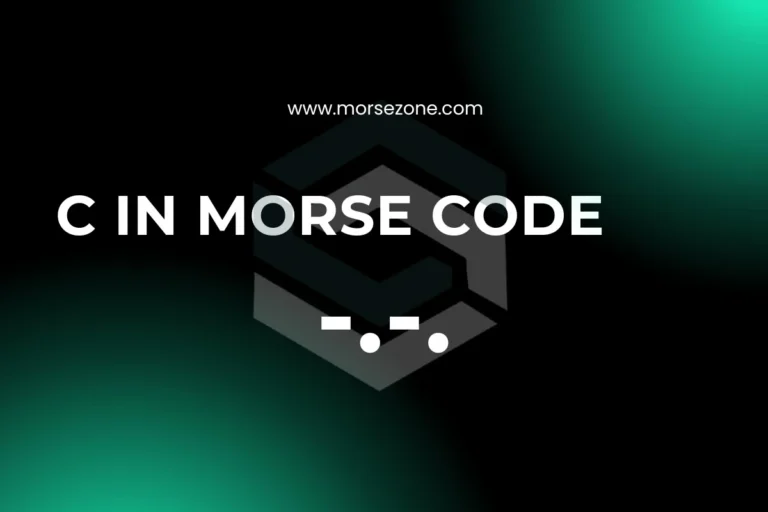
| Y | – . – . | Dah-di-dah-dit |
| E | . | Dit |
| S | . . . | Dit-dit-dit |
How to Say Yes in Morse Code (Step-by-Step Guide)
Understanding how to say yes in morse code requires mastering both the sequence and timing. Whether using a telegraph key, flashlight, or tapping on a surface, the same principles apply.
Step 1: Master Individual Letters
Before combining letters, practice each one separately:
Y (- . – .): Long signal, short signal, long signal, short signal
E (.): Single short signal
S (. . .): Three short signals
Step 2: Apply Correct Spacing
Proper spacing distinguishes letters from each other:
- Between dots and dashes within a letter: Brief pause
- Between letters: Slightly longer pause (3 time units)
- Between words: Extended pause (7 time units)
Step 3: Practice the Complete Word
Combine all three letters with appropriate spacing:
Dah-di-dah-dit [pause] Dit [pause] Dit-dit-dit
This rhythm creates the recognizable pattern that receiving operators instantly understand.
Step 4: Verify Using a Translator
Use a morse code translator to confirm your transmission accuracy. Many online code translator tools provide audio playback, allowing you to compare your sound with the correct version.
Yes in Morse Code Sound: Understanding the Audio Pattern
The yes in morse code sound follows a distinct audio rhythm that professionals recognize instantly. Understanding this pattern ensures clear communication in any situation.
ITU Standard Timing Rules
The International Telecommunication Union established precise timing standards:
| Element | Duration |
| Dot (Dit) | 1 time unit |
| Dash (Dah) | 3 time units |
| Space within letter | 1 time unit |
| Space between letters | 3 time units |
| Space between words | 7 time units |
Audio Breakdown for YES
Y: Dah (3 units) – pause (1 unit) – dit (1 unit) – pause (1 unit) – dah (3 units) – pause (1 unit) – dit (1 unit)
Letter Space: 3 units
E: Dit (1 unit)
Letter Space: 3 units
S: Dit (1 unit) – pause (1 unit) – dit (1 unit) – pause (1 unit) – dit (1 unit)
When transmitted correctly, the audio pattern creates a recognizable rhythm distinct from other words. This is why professional operators can decode morse at high speeds without visual aids.
Yes in Morse Code: Copy and Paste Ready
For developers, educators, content creators, or hobbyists needing to insert code morse into documents, websites, or puzzles, here are ready-to-use formats.
Standard Format (Copy and Paste)
text
-.– . …
Visual Dot/Dash Format
text
– . – . . . . .
With Word Separators
text
-.– . …
How to Type Yes in Morse Code Using Tools
Knowing how to type yes in morse code efficiently involves understanding both manual methods and digital tools.
Manual Typing Protocol
When typing morse code on a standard keyboard:
- Use hyphen – for dashes
- Use period . for dots
- Separate letters with single space
- Separate words with forward slash / or three spaces
Example: -.– . …
Using a Morse Code Translator
Digital translator tools simplify conversion for longer messages. Popular platforms include:
Cryptii: Comprehensive code translator with multiple encoding options
MorseCode.World: Features adjustable speed settings and audio playback
Morsify: Mobile-friendly interface with tap-to-play sound function
These morse code translator tools convert plain English instantly. Many include audio features helping you verify correct pattern and timing before transmission.
Yes and No in Morse Code: Essential Comparison
Understanding yes and no in morse code together prevents critical miscommunication in tactical or emergency scenarios.
| Word | Code Sequence | Audio Rhythm |
| YES | -.– . … | Dah-di-dah-dit / dit / dit-dit-dit |
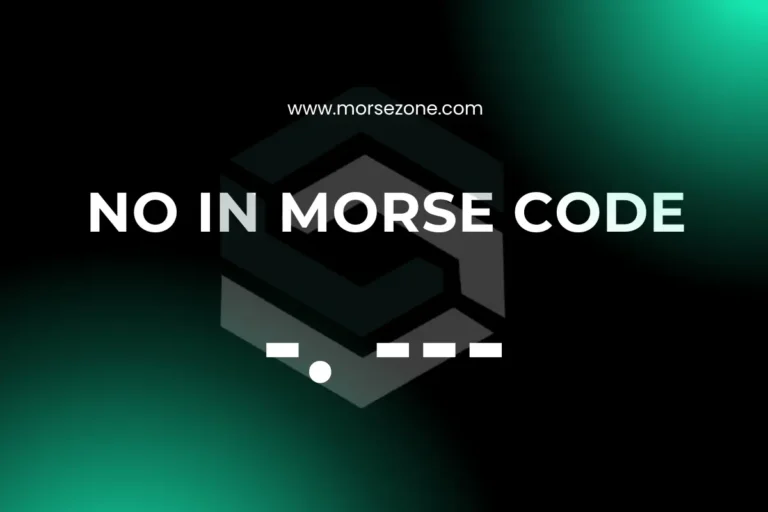
| NO | -. — | Dah-dit / dah-dah-dah |
Notice that “NO” transmits faster due to fewer elements. In high-stress environments, amateur radio operators sometimes prefer phonetic alternatives like “Affirmative” and “Negative” for clarity. However, knowing basic morse for both responses remains essential for silent or low-visibility signaling.
Advanced Phrases: Yes Sir and Yes I Do in Morse Code
Expanding beyond single words, you can construct meaningful phrases for various applications.
Yes Sir in Morse Code
Military history reenactors, scouts, and survival enthusiasts often need yes sir in morse code for formal acknowledgments.
SIR Breakdown:
- S: …
- I: ..
- R: .-.
Complete Phrase: -.– . … / … .. .-.
Yes I Do in Morse Code
For romantic or ceremonial contexts, yes i do in morse code creates unique engagement or wedding elements.
I DO Breakdown:
- I: ..
- D: -..
- O: —
Complete Phrase: -.– . … / .. / -.. —
This phrase appears on custom jewelry, wedding invitations, and personalized gifts for couples who appreciate meaningful symbolism.
How to Learn Morse Code Effectively
If your goal extends beyond single words to learn morse code fluently, follow these professional methodologies.
Farnsworth Timing Method
This approach teaches sound recognition at higher speeds with extended pauses between letters. It prevents the habit of counting individual elements, building instinctive recognition instead.
Audio Training Applications
Download apps like Morse Mentor or Learn Morse Code for randomized audio drills. These provide progressive difficulty levels matching your skill development.
Contextual Word Practice
Rather than random letters, practice common operational words: YES, NO, SOS, HELP, STOP. This builds practical vocabulary with immediate real-world application.
Ear Transcription Exercises
Listen to morse code translator audio output and write what you hear. This bridges passive listening with active comprehension, accelerating fluency development.
Daily Consistency
Practice 10-15 minutes daily rather than occasional long sessions. Consistent exposure builds neural pathways faster than intensive but infrequent study.
Practical Applications of Morse Code Today
Understanding morse extends beyond historical interest. Modern applications include:Emergency Signaling: Flashlight or mirror signals when electronic communication fails
Amateur Radio: Licensed operators communicate globally using morse
Aviation: Navigational beacons still transmit identifier code in morse
Accessibility: Individuals with motor disabilities use morse input for device control
Entertainment: Escape rooms, puzzles, and games incorporate code challenges